Understanding the Basics of Birding
What is a Life List?
A life list is a personal record kept by bird watchers that documents all the bird species they have observed in their lifetime. For backyard birders, this list can be a thrilling way to track the diversity of birds visiting their gardens. Each time you spot a new species, you add it to your life list, creating a comprehensive account of your birding experiences. Starting a life list in your backyard can be particularly rewarding, as it encourages you to observe and appreciate the avian wildlife right outside your home.
Importance of Bird Identification
Identifying birds is crucial for creating an accurate life list. Not only does it enhance your birding experience, but it also contributes to scientific understanding of bird populations and movements. Being able to recognize various species allows you to appreciate their unique behaviors, songs, and habitats. For instance, distinguishing between a male and female Northern Cardinal (Cardinalis cardinalis) or recognizing the subtle differences between the House Finch (Haemorhous mexicanus) and the Purple Finch (Haemorhous purpureus) can deepen your connection to nature and improve your observational skills.
Common Backyard Birds to Start With
When starting your backyard birding life list, it's useful to begin with common species that are likely to visit your feeder or garden. Here are several birds you might expect to see:
- American Robin (Turdus migratorius): Known for their distinctive orange bellies and cheerful songs, robins are often among the first birds to appear in spring.
- Black-capped Chickadee (Poecile atricapillus): Small, social birds that are easily recognizable by their black caps and cheerful "chick-a-dee-dee-dee" call.
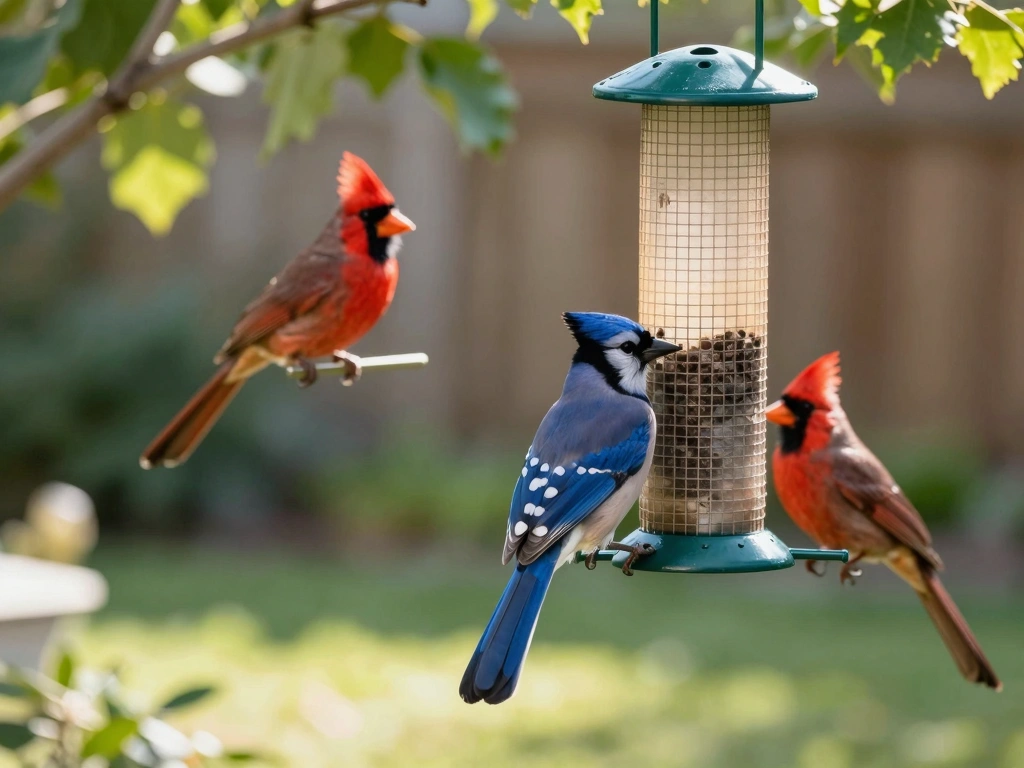
- Blue Jay (Cyanocitta cristata): Known for their striking blue plumage and loud calls, Blue Jays are intelligent and curious birds.
- House Sparrow (Passer domesticus): These adaptable birds thrive in urban environments and are often seen near human habitation.
- Northern Cardinal (Cardinalis cardinalis): With their vibrant red coloration, male Northern Cardinals are a favorite among bird watchers.
Essential Tools for Backyard Birding
Choosing the Right Binoculars
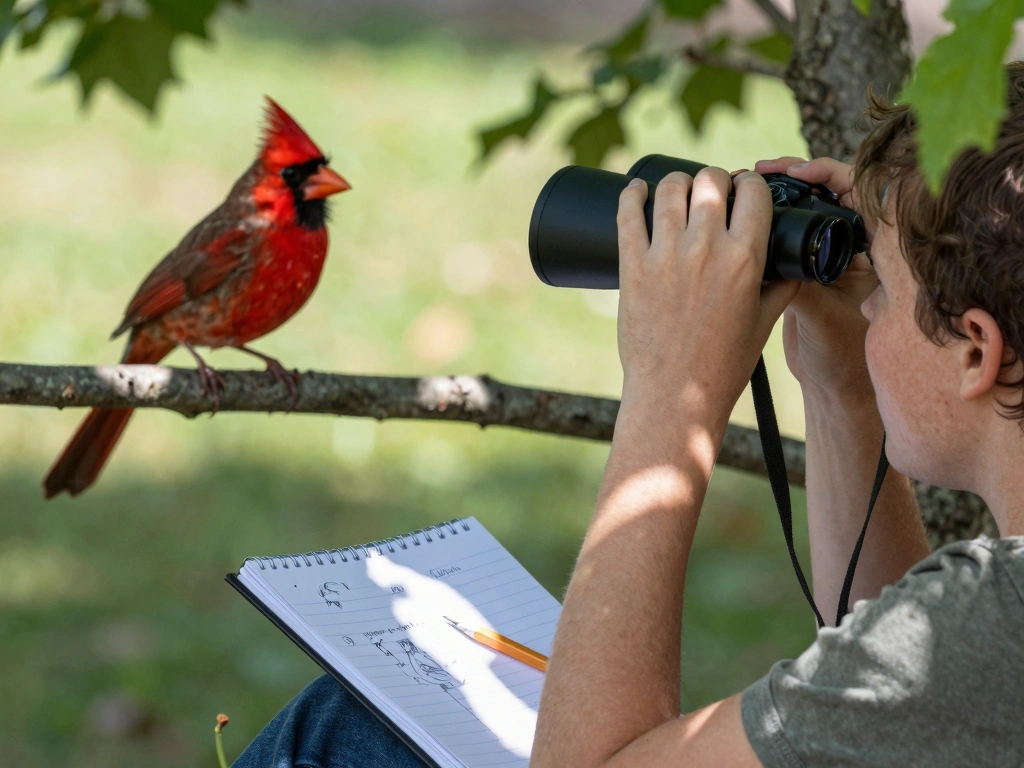
Having a good pair of binoculars is essential for any birding enthusiast. When selecting binoculars for backyard birding, consider the following specifications:
- Magnification and Objective Lens: A good starting point is 8x42 binoculars, which provide a clear view and a wide field of vision.
- Weight and Size: Opt for lightweight binoculars that are easy to handle, especially if you plan to use them for extended periods.
- Weather Resistance: Choose binoculars that are waterproof and fog-proof to ensure they hold up in various outdoor conditions.
Popular models include the Vortex Diamondback 8x42 and the Nikon Monarch 5 8x42, both of which offer excellent optical quality at reasonable prices.
Bird Field Guides and Apps
To assist in identifying birds, having a reliable field guide is crucial. There are many excellent options available:
- Field Guides: Books like The Sibley Guide to Birds or Peterson Field Guide to Birds of North America provide detailed illustrations and information about bird species.
- Mobile Apps: Apps such as Merlin Bird ID and iBird Pro offer interactive features, including bird calls and identification quizzes, making them great tools for beginners.
Setting Up a Bird Feeder
A bird feeder is one of the best ways to attract birds to your backyard and increase your chances of adding species to your life list. Here are some considerations for setting up a feeder:
- Type of Feeder: Tube feeders, platform feeders, and suet feeders all attract different species. For example, tube feeders are great for finches, while platform feeders are preferred by larger birds.
- Feed Selection: Use high-quality birdseed such as black oil sunflower seeds, nyjer seeds, or mixed seeds to attract a variety of birds.
- Location: Position your feeder near trees or shrubs that provide cover for birds but also within clear sightlines for easy viewing.
Creating Your Backyard Birding Environment
Choosing the Best Location for Bird Watching
Choosing the right location for bird watching in your backyard can significantly impact your birding experience. Consider the following:
- Quiet Spaces: Select a spot away from noisy areas, like nearby roads or children playing, to encourage birds to visit.
- Viewpoints: Look for locations that offer a clear view of your feeders or natural habitats.
- Comfortable Seating: Set up a comfortable chair or bench where you can sit and observe without disturbing the birds.
Planting Native Plants for Attracting Birds
Creating a bird-friendly environment starts with planting native flora. Native plants provide food, shelter, and nesting sites for birds. Here are some excellent choices:
- Sunflowers: These attract seed-eating birds like finches and sparrows.
- Holly: The berries provide food in winter for many species.
- Milkweed: This is essential for attracting butterflies but also provides habitat for various birds.
By planting a variety of native plants, you can create a biodiverse habitat that supports a rich assortment of bird species.
Water Sources: Bird Baths and Ponds
Providing a reliable water source is essential for attracting birds to your backyard. Here are some options:
- Bird Baths: A shallow bird bath with a gently sloping edge makes it easy for birds to drink and bathe. Ensure it is cleaned regularly to prevent algae growth.
- Ponds: A small pond with native plants around it can attract a wider variety of birds, including those that prefer to forage near water.
Birds are more likely to visit areas where they can find both food and water, so consider adding a water feature to your backyard.
Recording and Organizing Your Life List
How to Record Sightings Effectively
Keeping an organized record of your bird sightings is essential for maintaining an accurate life list. Here are some tips:
- Date and Location: Always note the date and location of your sighting to provide context.
- Species Details: Include specific details such as the time of day, behavior, and any distinguishing features.
- Photographic Evidence: Consider taking photos of the birds you spot. This not only enhances your records but also provides evidence for identification.
Using Digital Tools for List Management
In today's digital age, there are many tools available to help you manage your life list. Consider using:
- Spreadsheets: Create a simple spreadsheet on platforms like Google Sheets or Excel to organize your sightings.
- Birding Apps: Apps like BirdLog and eBird allow you to record and track your sightings conveniently.
These digital tools not only keep your life list organized but also allow for easy sharing with friends and the birding community.
Sharing Your List with the Birding Community
Engaging with the birding community can enhance your experience. Sharing your life list can be done through:
- Social Media: Join birding groups on platforms like Facebook or Instagram to share your sightings and learn from others.
- Birding Forums: Participate in online forums where you can discuss your observations and seek advice from experienced birders.
Connecting with fellow bird enthusiasts can provide encouragement and increase your knowledge about birding.
Tips for Enhancing Your Backyard Birding Experience
Best Times for Bird Watching
Certain times of day are better for bird watching than others. The early morning, just after dawn, is often considered the best time to observe birds as they are most active, feeding, and singing. Late afternoon can also be a good time, especially during the spring and summer months. Understanding seasonal patterns can further enhance your birding experience.
Understanding Bird Behavior
Taking time to observe bird behavior can help you identify species more effectively and understand their habits. For example, observing how birds interact with one another, their feeding preferences, and their nesting habits can provide valuable insights. For instance, knowing that the Eastern Bluebird (Sialia sialis) often hunts for insects from a perch can lead you to spot them more easily.
Participating in Citizen Science Projects
Engaging in citizen science projects can enhance your birding experience and contribute to valuable research. Projects like the Great Backyard Bird Count and Christmas Bird Count allow birders to submit their observations, helping to track bird populations and migrations. Participating in these initiatives can be both fun and rewarding, offering a sense of contribution to conservation efforts.
In conclusion, starting your backyard birding life list is an exciting and fulfilling journey that connects you with nature. By understanding the basics of birding, using the right tools, creating a welcoming environment, effectively recording your sightings, and engaging with the birding community, you can enrich your experience and expand your knowledge of the avian world. Happy birding!