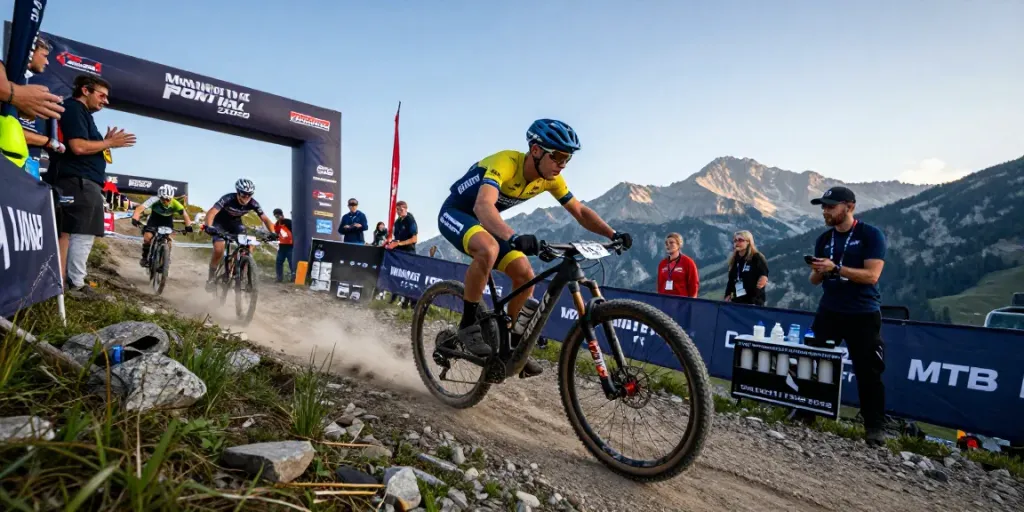
The State of Squadre Ciclismo in 2026
The landscape of professional cycling in 2026 is evolving rapidly, shaped by various factors including athlete performance, team dynamics, and technological advancements. As the global competitive cycling community gears up for major events such as the Mondiali MTB and the Vuelta a España, it becomes increasingly important to understand how different squadre ciclismo are adapting to the pressures and expectations placed upon them. With a focus on training methodologies, financial support, and competitive strategies, this article explores the current trends and challenges facing cycling teams in 2026.
Current Trends and Insights
Cycling teams are witnessing a shift in training regimens, with a stronger emphasis on data analytics and personalized training plans. Athletes are no longer viewed solely as competitors but as brands, leading to changes in how teams market their cyclists and engage with fans. This evolution has sparked a new era where understanding the psychology of athletes plays a significant role in team performance.
- Increased use of data tracking to enhance performance metrics.
- Focus on mental health and emotional support for athletes.
- Greater interaction between teams and their fanbases via social media.
Challenges in Team Dynamics
Despite advancements, some challenges persist in team dynamics. Balancing individual aspirations with team goals can often lead to conflicts. Strong leadership is essential for maintaining harmony and ensuring that all team members feel valued and motivated. Communication strategies within teams are being reevaluated to foster a more inclusive atmosphere, allowing every athlete to contribute their insights and ideas.
Comparative Performance Analysis
When analyzing the performance of various teams in 2026, it becomes clear that sustainability and adaptability are key. Teams such as UAE Team Emirates and Jumbo-Visma have set high standards with their strategic approaches to recruitment and training. By contrast, teams struggling with financial instability face a tougher road ahead, particularly as sponsorship pressures mount in the post-pandemic landscape. Performance metrics, including win ratios, podium placements, and athlete retention, provide insight into which teams are thriving versus those at risk.
Key Players to Watch in Squadre Ciclismo
Top Athletes Making Headlines
In the realm of competitive cycling, a few athletes have made a significant impact this year. Tadej Pogačar, known for his climbing ability and tactical acumen, consistently ranks among the top performers in races. His rivalry with emerging stars like Remco Evenepoel adds excitement to the competition.
- Tadej Pogačar (UAE Team Emirates) - Notable wins in the Vuelta.
- Remco Evenepoel (Soudal-Quick-Step) - Rising star with a unique strategy.
- Mathieu van der Poel (Alpecin-Deceuninck) - A powerhouse in cross-disciplines.
Emerging Teams in Competitive Cycling
New teams are constantly emerging, ready to make a name for themselves on the world stage. The integration of younger athletes and innovative strategies makes these teams formidable competitors. Squads like Israel-Premier Tech are redefining their identities, focusing on both performance and sustainability.
Star Performers in Recent Events
Recent events have highlighted standout performances, such as Andreas Leknessund's solo victory at the Vuelta, showcasing his tenacity and strategic planning. Such performances help solidify the reputation of both the athlete and their team, boosting morale and sponsorship opportunities alike.
Strategies for Effective Team Management
Building a Cohesive Squad
Cohesion within a cycling team is essential for achieving success, particularly in high-stakes competitions. Leadership structures that promote open communication and clear vision are critical. Coaches and team managers must foster an environment where athletes can openly discuss their aspirations and concerns.
Training Regimens and Their Impact
Training methods are evolving as teams increasingly rely on scientific research to optimize performance. Tailored training plans that account for each athlete's strengths and weaknesses can lead to improved outcomes in races. The incorporation of technology, such as real-time monitoring devices, allows for more precise tracking of athletes' physical conditions during training sessions.
Nutritional Strategies for Cyclists
Nutrition plays an indispensable role in a cyclist's performance. Custom dietary plans, designed to match the unique needs of each cyclist based on their training regimen and personal health, are now the norm. This focus on nutrition not only enhances physical performance but also boosts recovery times, enabling athletes to train harder and more frequently.
Technological Advances in Cycling Teams
Innovations in Bike Technology
Advancements in bike technology are revolutionizing the cycling world. The introduction of lighter materials and more aerodynamic designs allows athletes to perform at unprecedented levels. Teams are investing in research and development to stay ahead of the competition, exploring options such as electric gear shifting and advanced braking systems.
Data Analysis for Performance Improvement
Data analytics is becoming increasingly important for cycling teams. By utilizing performance data collected from races and training sessions, teams can identify trends and patterns that can inform training decisions and race strategies. This analytical approach gives teams a competitive edge, providing insights into not just their own performance, but also the strategies of rival teams.
Wearable Tech and Its Benefits
Wearable technology has made significant strides in the world of cycling. Devices that monitor heart rate, cadence, and even mental focus are now common. This data helps athletes and coaches make informed decisions about training intensity and recovery strategies, ultimately enhancing performance during critical races.
Looking Ahead: The Future of Squadre Ciclismo
Trends Influencing Team Formation
The future of cycling teams is likely to be influenced heavily by trends in athlete recruitment and diversity within the sport. As cycling continues to expand globally, teams are recognizing the importance of embracing diversity to foster innovation and creativity. This adaptability will be vital in addressing the evolving demands of competitive cycling.
Predictions for Upcoming Competitions
As we look towards major events slated for 2026, predictions indicate that teams who effectively integrate technology and data analysis into their training will likely outperform those who do not. The 2026 season promises thrilling races, particularly with heightened rivalries and new strategies coming to the forefront.
Future Challenges and Opportunities
While opportunities abound, teams will also face significant hurdles. Economic instability and shifts in sponsorship will challenge teams to innovate and adapt. Building resilient structures within teams, maintaining athlete well-being, and continuous improvement through technology will be essential for future success.
What are the top cycling teams in the 2026 World Tour?
The top teams in the 2026 World Tour include prominent names like UAE Team Emirates, Jumbo-Visma, and Ineos Grenadiers, known for their strategic recruitment and top-tier athlete management. Each continues to push the boundaries of performance and team dynamics, setting the pace for the rest of the cycling world.
How are cycling teams structured?
Cycling teams typically consist of a roster of professional cyclists, team managers, coaches, and supporting staff, all working collaboratively to achieve success in competitions. This structure facilitates specialization, allowing individuals to excel in their roles while striving toward common goals.
What factors determine a successful cycling team?
Several factors contribute to the success of a cycling team, including strong leadership, a cohesive team culture, effective training strategies, and the ability to attract sponsorships. Additionally, nutrition, mental health support, and injury management play crucial roles in athlete performance and overall team success.
Who are the most promising cyclists in 2026?
Promising cyclists like Enric Mas and Annemiek van Vleuten are expected to make waves in 2026, recognized for their remarkable skills and potential to achieve greatness in competitive cycling. These athletes exemplify the new generation of cyclists who combine exceptional talent with innovative training approaches.
What innovations are changing squadre ciclismo?
Innovations in bike technology, such as enhanced aerodynamics and lightweight materials, are transforming cycling. Additionally, the increasing use of data analytics is reshaping training regimens and race strategies, allowing teams to operate at peak efficiency.